



What is Wireless LAN?
Learning key point of Wireless Communication Technology
In recent years, Wireless Local Area Network (Wireless LAN) has become common to be used in every situation of our lives. This article explains the basics of Wireless LAN, its advantages and disadvantages, differences from Wi-Fi and Wired LAN, and key points for its effective utilization. KAGA FEI also offers Wireless LAN-enabled modules. Datasheets and specifications are available on our website.
What is Wireless LAN?
Wireless LAN is a network technology which uses wireless technology for communication without cables, and it is often abbreviated as "WLAN". It is widely adopted in many places such as buildings and specific areas as a technology for cable-free data communication.
Wireless LAN can be broadly categorized based on the frequency bands and communication standards. Wi-Fi standard based on the IEEE 802.11 standards group is a typical example of Wireless LAN, but there are many other methods. Currently, however, Wi-Fi standard certified by Wi-Fi Alliance is almost the mainstream, contributing greatly to ensuring compatibility of devices and services.
What is LAN?
LAN (Local Area Network) is a network technology that connects computers and other network devices within a limited area, such as offices, homes, or factories, for mutual data communication. Those that are physically connected with LAN cables are called “Wired LAN,” while those that are connected wirelessly are called "Wireless LAN.”
LAN is used as an indispensable infrastructure for connection to the internet and is widely applied in enterprise systems and home networks. The communication standards have also continued to evolve, enhancing speed and security features.
Comparison of Wired LAN and Wireless LAN
Wired LAN offers stable communication speeds and low latency due to direct cable connections. However, it has the weakness that installation work is time-consuming, and the cable length and wire routing tends to be limited due to the wiring required.
On the other hand, Wireless LAN requires no wiring, offering high flexibility in change installation locations and layouts, and in easily connecting multiple devices. However, it is susceptible to obstructions and radio interference, which in some cases affects the stability of communications. Therefore, the selection and installation location of Wireless LAN devices appropriate for the usage environment is important when introducing the system.
In terms of installation cost, Wired LAN is easy to ascertain the cost of equipment such as hubs and cables and the installation cost. While Wireless LAN has lower equipment cost, it may require another expense for adjustment to reduce attenuation of radio wave that penetrate walls and ceilings, that is a factor you need to pay attention.
Differences Between Wireless LAN and Wi-Fi
Wireless LAN refers to wireless networks, while Wi-Fi is a subset of Wireless LAN communication standards and is also a brand name given by the Wi-Fi Alliance to certified products. Wi-Fi certified devices undergo interoperability testing and certification, ensuring compatibility.
Wi-Fi standards have been evolving based on the IEEE 802.11 standards, with various types such as IEEE 802.11a, b, g, n, ac, ax, etc., each has different data rates and available frequency bands and updates continue to be made to improve data speed and stability.
Wireless LAN is often interpreted as Wi-Fi because Wi-Fi certification is widely prevalent. This recognition has become established due to a lot of products complying with Wi-Fi certification among Wireless LAN products.

Advantages and Disadvantages of Wireless LAN
We introduce the benefits of implementing Wireless LAN and the points of cautious.
While Wireless LAN provides a comfortable wireless environment, it may affect communication quality and security if users choose and use devices incorrectly.
Advantages: No Cables and Simultaneous Connection of Multiple Devices
The greatest advantage of Wireless LAN is that it allows flexibility in installation locations due to the cable-less. This is a significant benefit when rearranging office layouts or changing equipment placements in factories, as it eliminates the hassle of extensive rewiring. Networks can be built in areas of the factory where LAN cables cannot be run, or in warehouses located semi-outdoors, creating a comfortable environment. Wireless LAN is one of the communication technologies with easy installations due to the high prevalence of Wi-Fi certification and the abundance of its complied products.
Furthermore, Wireless LAN is even more suitable in environments where power supply is relatively easy to secure, such as offices and commercial facilities. Wireless LAN has the advantage of allowing multiple devices to connect to the network simultaneously and easily by simply entering the SSID and password.
For example, in the wireless control of digital signage, multiple displays can be connected to the network all together without location constraints. This enables centralized management of content updates and distribution schedules via the network and significantly improving operational efficiency. Additionally, in factories and warehouses, Wireless LAN can be used to collect real-time data on the operational status of multiple production equipment and inventory information, which helps us optimize production efficiency and visualize the supply chain.
Disadvantages: Communication Speed and Security Risks
Since Wireless LAN uses radio waves for communication, the disadvantage is that communication speed and stability may vary compared to wired connections. Factors such as obstacles like walls, noise from electronic devices, and the number of network users can cause a decrease in communication speed. In tenant buildings with multiple Wireless LANs or factories with many metal equipment, communication failures tend to be occurred.
Additionally, because radio waves are transmitted around, attention must be paid to security risks. If encryption settings are not properly configured, there is a risk of unauthorized access by intercepting radio waves from the outside. It is important to adopt strong encryption methods like WPA3 and thoroughly manage network SSID and passwords.
Comparison with Other Wireless Technologies
We explain differences between Wireless LAN and other wireless technologies and identify the key points for their usage.
Not only Wireless LAN there are also various standards and methods for wireless communication, such as Bluetooth and Zigbee. Each has its own characteristics in terms of communication range, application, and power consumption. They require us different usage depending on the purpose.
Differences Between Wireless LAN and Bluetooth
One of the most common wireless communication technologies is Bluetooth. Particularly, Bluetooth Low Energy (hereafter referred to as "Bluetooth LE") is a wireless communication technology widely used in daily life.
Compared to Wireless LAN, Bluetooth LE is specialized in low power consumption, making it valuable for providing wireless capabilities to smart device peripherals one by one. On the other hand, Wireless LAN excels in high communication speed, making it suitable for downloading large files and building mid-range networks. However, it consumes more power and is not suitable for long-term use with battery operation.
Bluetooth LE operates in the frequency band of 2.4GHz, while Wireless LAN (Wi-Fi) mainly uses the 2.4GHz and 5GHz bands. When using Wi-Fi at 2.4GHz alongside Bluetooth LE, please note that radio interference may occur, resulting in poor communication conditions.
Differences Between Wireless LAN and Zigbee:
Zigbee is a low-power wireless standard used in smart home devices. While it doesn't offer the high-speed communication compared with Wireless LAN, it is highly suitable for sensor networks and can connect many devices simultaneously, making it useful in industrial automation fields that require large-scale networks. However, there are fewer Zigbee-compatible devices, and limitations in development environments and usage.
While Wireless LAN is generally chosen for sending and receiving video and large volume of data within the home, more and more smart homes are being built using power-saving technologies such as Zigbee in conjunction with Wireless LAN.
Below is a comparison of Wireless LAN, Bluetooth LE, and Zigbee. Communication distance and speed can vary significantly depending on the communication environment and radio wave conditions, so the values are merely indicative.
Wireless LAN/Bluetooth LE/ZigBee Performance Comparison
| Communication Range | Data Speed | Power Consumption | Application Example |
|
| Wireless LAN | ~ 200m | High (54Mbps – several Gbps) |
Medium | Video streaming, Downloading Large Files |
| Bluetooth LE | ~ 100m | Medium (125kbps - 2Mbps) |
Low | Devices run for a long time on a coin cell, Beacon |
| ZigBee | ~ 30m |
Low |
Low | Massive sensor networking |
Utilization of Wireless LAN Modules
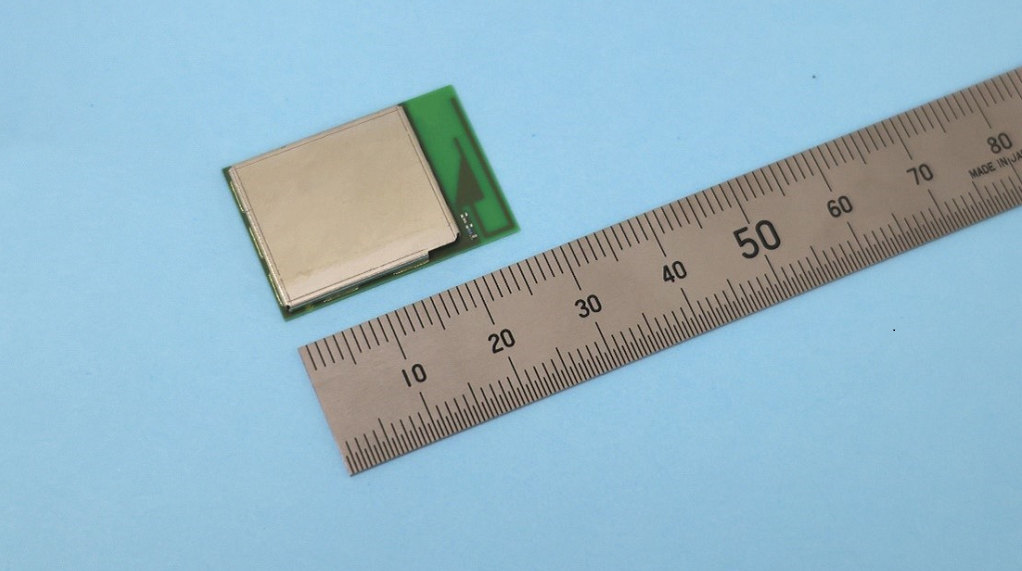
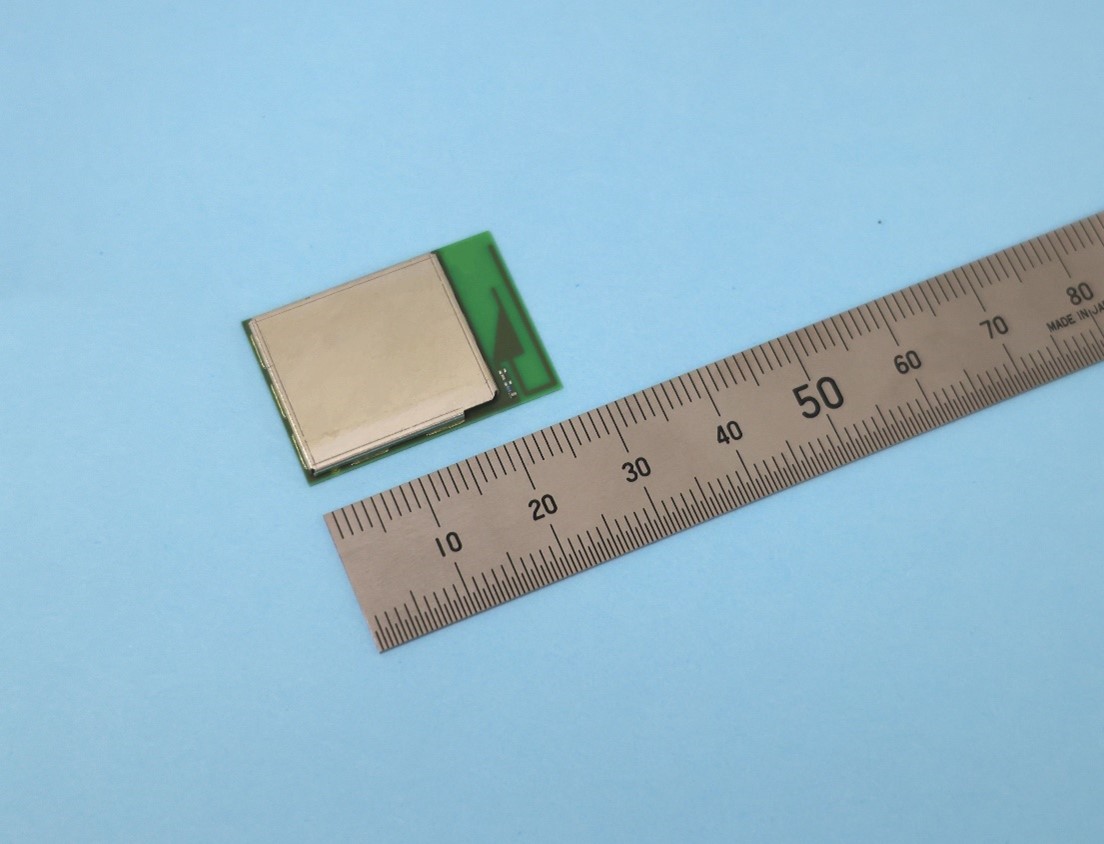
Wireless LAN is widely used as a wireless communication technology, and its communication functions can be easily incorporated into devices by embedding “Wireless LAN module” into them. Wireless Module is an electronic component consisted of a wireless chip and peripheral circuits mounted on a small substrate.
KAGA FEI develops, manufactures, and sells wireless modules that are certified under the Radio Law and support Wireless LAN and Bluetooth LE. Datasheets and detailed specifications for the modules are available on our website.
Summary
Wireless LAN is a network that is a wireless version of LAN and is used in many situations, mainly supported by Wi-Fi standard. It brings the convenience of cable-free and easy device addition but requires careful consideration of interference and security risks.
When installing and using Wireless LAN, it is essential to select access points that are appropriate for the environment and to ensure that security settings are thoroughly configured. By using Wireless LAN and other wireless technologies in different ways, it is possible to create efficient and secure networks.
For inquiries or assistance with Wireless LAN, Bluetooth LE, or wireless modules, please feel free to contact us.